Harnessing Power: Top Performance Upgrades for Bespoke Engine Configurations
Tailored engine assemblies necessitate a strategic mix of efficiency improvements to truly release performance. Essential upgrades can substantially boost efficiency and output. From perfecting fuel delivery systems to choosing the ideal camshaft, each decision influences general efficiency. Grasping these parts is fundamental. As enthusiasts explore these enhancements, the question remains: what modifications will produce the greatest impact? The solutions rest in a thorough analysis of specific systems and their capabilities.
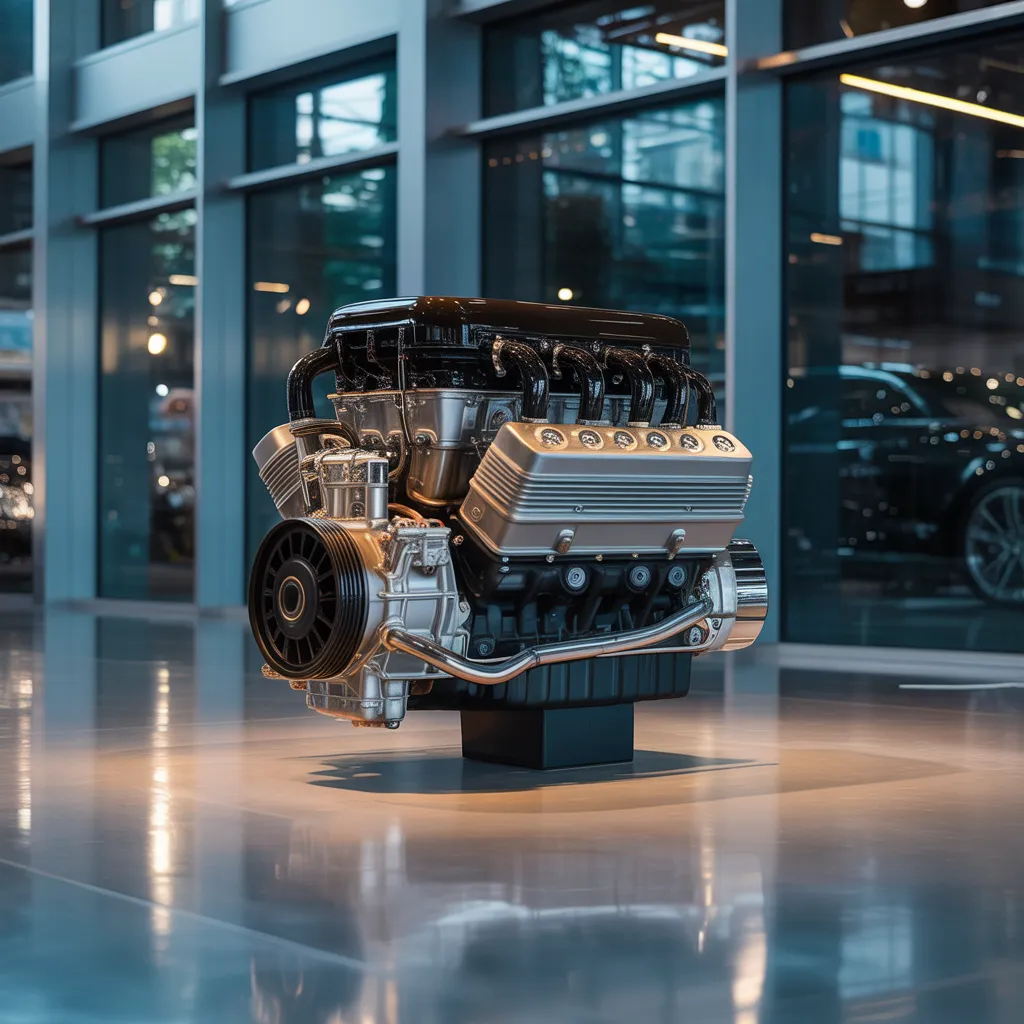
Understanding Engine Performance Fundamentals
Grasping core engine performance principles is crucial for those seeking to build a custom engine upgrade. Critical elements consist of the air and fuel mixture, combustion effectiveness, and exhaust circulation, all of which greatly impact engine power output. The air-to-fuel ratio must be optimized to secure optimal combustion, as improper fuel levels can negatively impact performance. Additionally, ignition timing plays a critical role in achieving maximum power; improper timing can lead to engine knocking or diminished efficiency.
Another key consideration is the displacement of the engine, which directly affects its potential power output. Larger displacement engines tend to deliver more power, but modifications and tuning can improve output in smaller engines as well. Additionally, understanding the role of cooling and lubrication systems within the engine is essential for maintaining optimal performance and long-term durability. Understanding these core principles lays the groundwork for impactful performance enhancements, ultimately leading to a custom engine build that is both powerful and dependable.
Premier Performance Modifications for Turbochargers
When considering enhancements for turbochargers, hobbyists commonly seek out improvements that optimize airflow and increase efficiency. A particularly significant upgrade involves a larger compressor wheel, which increases air intake volume and improves boost response. Moreover, switching to a high-flow intercooler assists in sustaining optimal intake temperatures, enhancing performance and reducing the risk of engine knock.
An additional key improvement is the installation of a high-quality wastegate. This component provides better control of boost levels, leading to greater power output. Additionally, implementing a upgraded exhaust manifold can optimize exhaust flow, minimizing turbo lag and improving overall turbocharger performance.
Furthermore, integrating a turbo heat blanket can help retain heat in the turbo system, leading to improved spool response and improved performance. By implementing these improvements, enthusiasts can greatly enhance their turbocharger's efficiency, producing a more powerful and responsive engine setup.
Improve Your Fuel System for Peak Efficiency
Optimizing the fuel system is essential for reaching maximum efficiency in tailored engine setups. A high-performance fuel pump guarantees a uniform and ample supply of fuel, which is vital for optimal engine output. In addition, upgraded fuel injectors can distribute higher fuel quantities, catering to increased air intake and keeping the proper air-fuel ratio. Incorporating a fuel pressure regulator enhances system stability, providing precise control over fuel delivery under varying conditions.
Furthermore, incorporating premium fuel filters minimizes restrictions, guaranteeing the engine receives clean fuel. This not only boosts efficiency but also prolongs engine life. Incorporating a recirculating fuel system can greatly optimize performance by sustaining stable pressure across varying operating conditions. Through the careful selection and installation of these components, builders can unlock the complete potential of their custom engines, yielding increased power output and optimized overall efficiency.
Maximize Airflow With Exhaust Upgrades
Enhancing the exhaust system is essential for improving engine performance by improving airflow. High-performance exhaust systems and header upgrades play key roles in decreasing back pressure and elevating exhaust velocity. These modifications not only improve power output but also contribute to a more aggressive engine sound.
Top-Quality Exhaust Systems
High-performance exhaust systems are vital for enhancing engine performance and power delivery in custom builds. These systems reduce back pressure, enabling better exhaust gas flow, which boosts overall engine output. Through the use of lightweight components and wider diameter piping, high-output exhausts decrease weight while supporting optimal airflow. In addition, they often feature mandrel bends, which reduce restrictions and turbulence throughout the system. This refined design not only leads to increased horsepower and torque but also produces a more assertive sound that many enthusiasts prefer. Moreover, high-performance exhaust systems can improve engine cooling by dissipating heat more effectively, enhancing reliability during high-stress situations. Ultimately, these enhancements are vital for anyone aiming to unlock their engine's full potential.
Advantages of Header Upgrades
An effective way to enhance engine performance is through performance header installations, which substantially increase airflow in conjunction with exhaust modifications. By swapping out stock headers for high-performance alternatives, the engine can expel exhaust gases more efficiently. This lowering of back pressure facilitates enhanced engine breathing, resulting in increased horsepower and torque.
Moreover, performance headers incorporate improved bends and wider diameter tubing, which further optimizes exhaust flow. The materials utilized, such as stainless steel, offer strength and resistance to high temperatures. Ultimately, header upgrades not only enhance engine efficiency but also elevate the engine's acoustic output, providing a deeper and more aggressive tone. This range of benefits makes header upgrades a key element for any serious engine build.
Optimize Your Build With Performance Camshafts
Selecting the correct camshaft is crucial for optimizing engine output. Grasping the aspects of lift and duration can considerably affect how an engine performs and responds. By fine-tuning these parameters, builders can increase horsepower and torque to accommodate specific driving needs.
Finding The Ideal Camshaft
With regard to enhancing the performance of an engine, picking the right camshaft is essential for reaching targeted power goals and optimizing overall effectiveness. A well-selected camshaft can significantly affect engine operation, influencing factors such as engine responsiveness, torque curve, and peak horsepower. Engine builders must assess their power objectives, whether seeking greater low-range torque or upper-range performance, as varying camshaft designs address diverse objectives. Compatibility with existing engine components, such as the air intake and exhaust setups, is also crucial. Moreover, understanding the engine's performance range assists in identifying a camshaft that complements the planned application, be it street driving or track racing. At the end of the day, the ideal camshaft can be a transformative element in a custom engine build.
Comprehending Lift Along With Duration
Comprehending lift and duration is crucial for enhancing camshaft performance in specialized engine configurations. Lift refers to the extent the valve opens on the intake or exhaust side, having a direct impact on the engine's airflow. A higher lift permits increased air and fuel intake, enhancing power output. Duration, by contrast, measures the time the valve is held open during the engine cycle. Longer duration can enhance performance at higher RPMs but may diminish low-end torque. Balancing lift and duration is imperative; excessive lift can result in valve float, while inadequate duration can hinder engine breathing. Adjusting these parameters based on specific performance goals guarantees that the engine runs efficiently and effectively, maximizing its overall potential.
What to Look for When Selecting the Best Engine Management System
How does one go about selecting the most ideal EMS solution for a personalized engine configuration? Choosing the right EMS (EMS) requires several key elements. To begin, the primary purpose of the engine needs to be considered; whether for street use, racing, or off-road conditions determines the decision. Compatibility with existing hardware, such as sensors and actuators, is critical to ensure flawless functionality.
Subsequently, assessing the customization capabilities is essential. A easy-to-navigate platform and advanced data logging tools can greatly enhance tuning performance. Moreover, the presence of support and community resources can help facilitate optimization and troubleshooting.
Financial limitations also factor in; premium systems provide sophisticated capabilities but can surpass budget boundaries. Ultimately, examining user reviews and professional guidance can offer valuable information on dependability and effectiveness. Through evaluating these key aspects, one can pinpoint the most appropriate EMS for their custom engine configuration, enhancing overall performance and productivity.
Commonly Asked Questions
What Tools Are Necessary for Custom Engine Builds?
Key instruments for custom motor assemblies comprise a precision torque wrench, motor hoist, accurate measurement instruments, socket wrenches, assorted screwdrivers, and a complete set of tools. Such equipment provide precision, effectiveness, and security throughout the engine assembly.
How Do I Calculate My Engine's Horsepower Potential?
To assess an engine's overall power output potential, it is essential to assess fuel type, displacement, airflow, and compression ratios. In addition, dyno testing may yield precise measurements and identify performance limitations, effectively directing future modifications and upgrades.
What Are the Warning Signs of Engine Wear During Upgrades?
Indicators of wear on the engine during upgrades include abnormal sounds, reduced performance, higher oil consumption, apparent leaks, and abnormal smoke. Observing these warning signs can aid in detecting possible concerns before they worsen and impact the engine's overall performance.
Is It Possible to Perform Upgrades Without Professional Assistance?
Upgrades can be performed without professional help, as long as the person has sufficient knowledge, tools, and experience. However, caution is advised, as faulty installations could cause costly errors or evidence harm to the engine.
How Much Does a Custom Engine Build Typically Cost?
The standard cost of a engine build project typically ranges between $3,000 and $10,000, based on labor, specifications, and the quality of parts. Enthusiasts should budget accordingly to attain the performance results and dependability they desire.